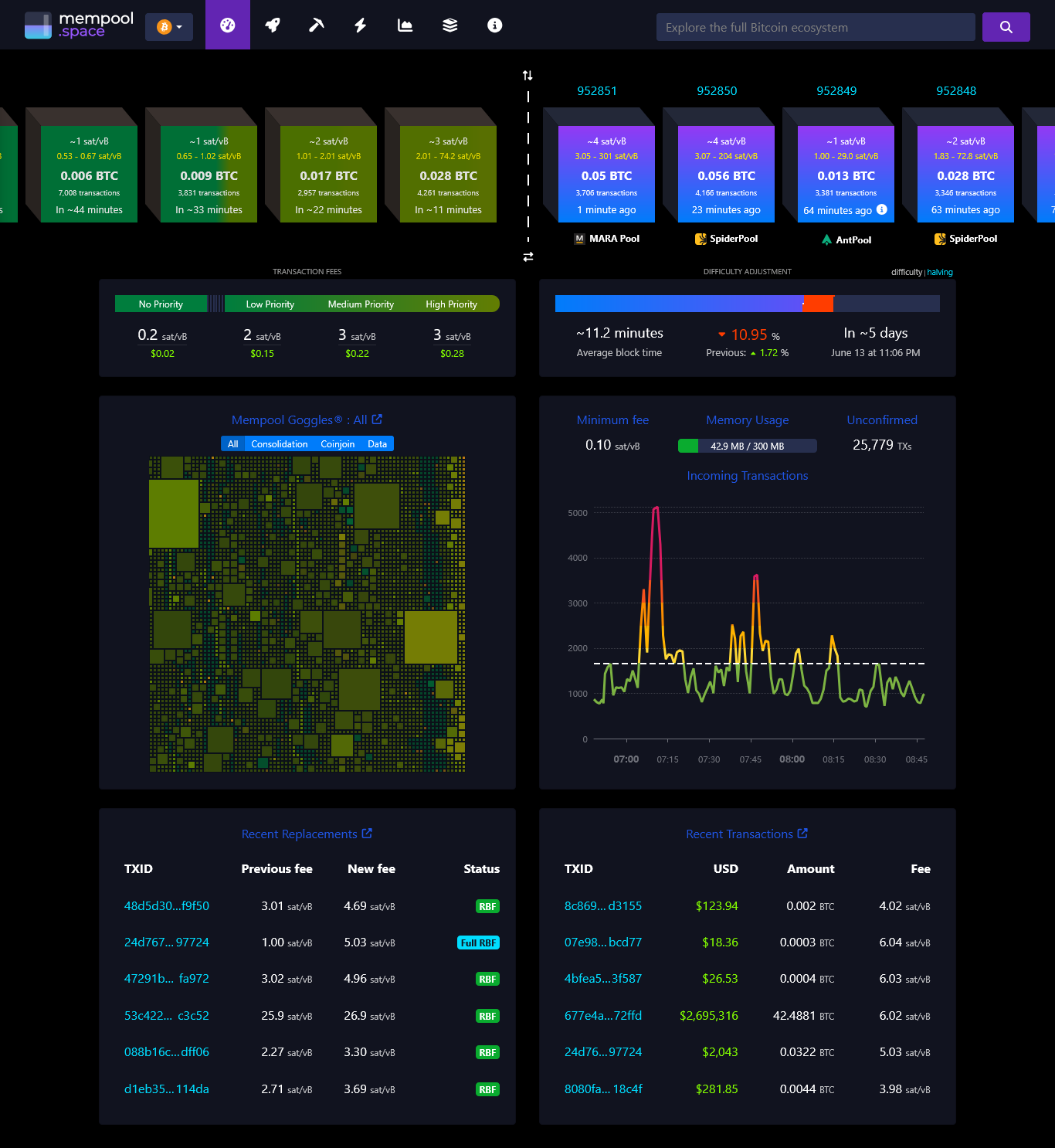
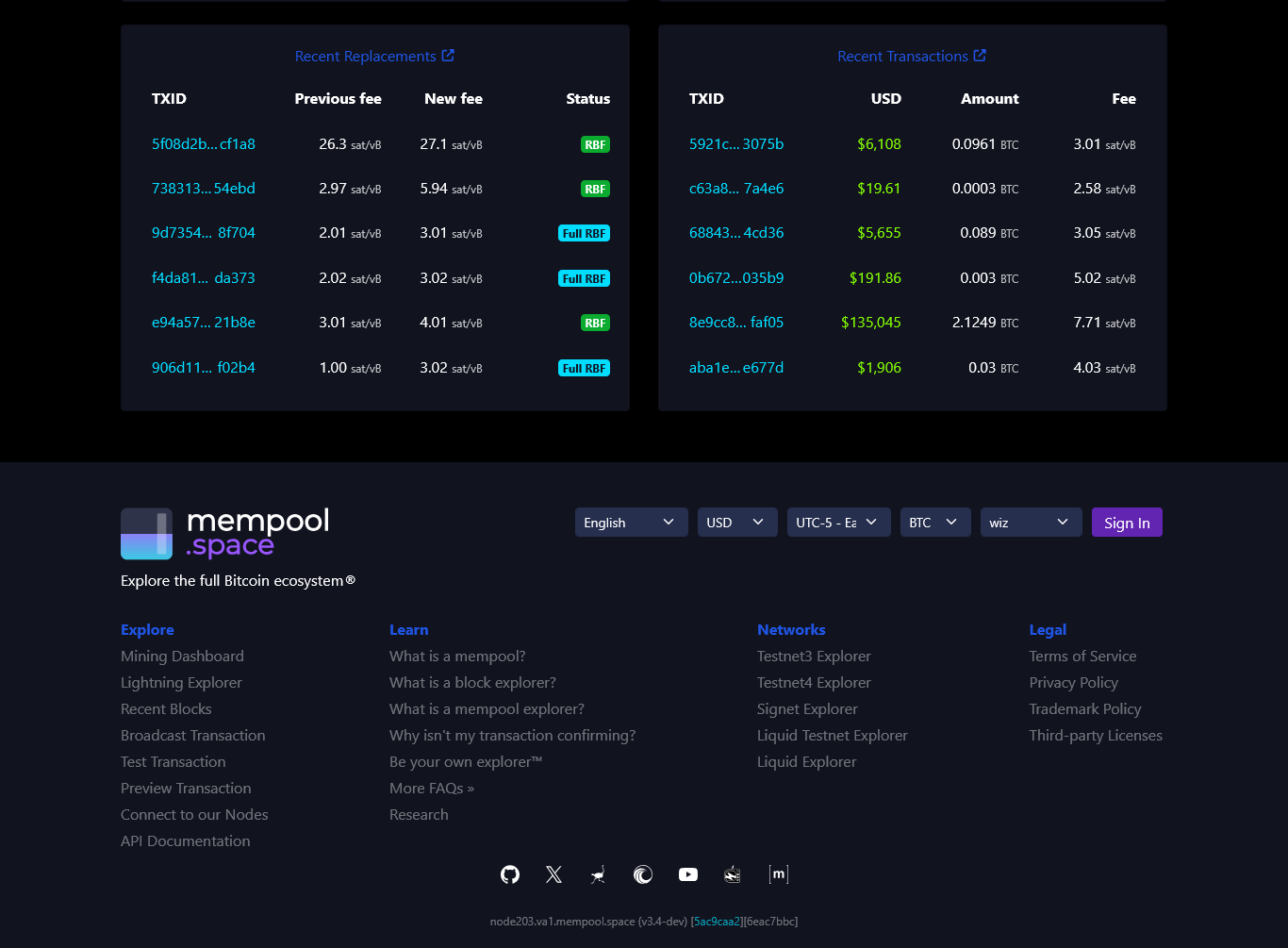
Introduction :>
Blockchain technology has transformed the way digital transactions are processed and verified. While much attention is given to mining, consensus mechanisms, and smart contracts, one critical component often remains overlooked: the Mempool. Short for "memory pool," the mempool acts as a temporary holding area for transactions before they are confirmed and added to the blockchain.
Understanding the mempool is essential for anyone interested in cryptocurrencies, blockchain development, or decentralized finance (DeFi), as it plays a significant role in transaction speed, network congestion, and transaction fees.
What Is a Mempool?
A Mempool is a collection of unconfirmed transactions maintained by nodes in a blockchain network. When a user initiates a transaction, it is first broadcast to the network and stored in the mempool of participating nodes. The transaction remains there until a miner or validator selects it for inclusion in the next block.
The mempool can be thought of as a waiting room where transactions queue up before being permanently recorded on the blockchain.
How the Mempool Works
The lifecycle of a blockchain transaction typically follows these steps:
1. Transaction Creation: A user initiates a transaction using a wallet or application.
2. Broadcasting: The transaction is sent to the blockchain network.
3. Mempool Entry: Nodes verify the transaction's validity and place it in their mempool.
4. Transaction Selection: Miners or validators choose transactions from the mempool, often prioritizing those with higher fees.
5. Block Inclusion: The selected transactions are included in a newly created block.
6. Confirmation: Once the block is added to the blockchain, the transaction is considered confirmed and removed from the mempool.
Why the Mempool Matters
1. Transaction Prioritization :>
Most blockchain networks have limited block space. As a result, not all pending transactions can be processed immediately. Miners and validators generally prioritize transactions offering higher fees, creating a competitive marketplace for block space.
2. Network Congestion Indicator :>
The size of the mempool serves as an indicator of network activity. A large mempool often signals heavy demand, leading to longer confirmation times and higher transaction costs.
3. Fee Estimation :>
Wallets frequently analyze mempool conditions to recommend appropriate transaction fees. During periods of congestion, users may need to pay higher fees to ensure timely processing.
4. Transparency :>
Many blockchain networks allow users to view mempool data in real time. This transparency helps users track pending transactions and monitor network health.
Mempool in Bitcoin
Bitcoin's mempool is one of the most widely studied examples. Each Bitcoin node maintains its own version of the mempool, which may differ slightly from others depending on network conditions and node policies.
When the Bitcoin network experiences increased activity, such as during market volatility or major events, the mempool can become congested. As a result, users often compete by offering higher transaction fees to gain faster confirmation.
Bitcoin miners typically select transactions that maximize fee revenue while remaining within the block size limits.
Mempool in Ethereum
Ethereum also utilizes a mempool, but its transaction processing differs due to smart contract functionality and the gas fee system.
In Ethereum:
1. Transactions compete based on gas fees.
2. Smart contract interactions occupy varying amounts of block space.
3. Users can replace pending transactions by submitting new versions with higher fees.
4. Network congestion can significantly increase gas prices during periods of high demand.
// The mempool plays a central role in Ethereum's decentralized application ecosystem, where thousands of transactions compete for inclusion in each block.
Challenges Associated with Mempools
Front-Running :>
In decentralized finance applications, attackers may observe pending transactions in the mempool and submit competing transactions with higher fees to gain an advantage. This practice is known as front-running.
Spam Attacks :>
Malicious actors can flood the mempool with low-value transactions, creating congestion and increasing network costs for legitimate users.
Transaction Delays :>
If a transaction fee is too low, the transaction may remain in the mempool for an extended period or eventually be dropped by nodes.
Miner Extractable Value (MEV) :>
Some participants exploit visibility into pending transactions to reorder, insert, or censor transactions for profit. This phenomenon, known as Miner Extractable Value (or Maximum Extractable Value), has become a significant topic in blockchain research.
Monitoring the Mempool :>
Developers, traders, and analysts frequently monitor mempool activity to gain insights into network conditions. Key metrics include:
. Number of pending transactions . Average transaction fees . Mempool size
. Estimated confirmation times . Transaction throughput
// Mempool analysis can help users determine the optimal time to submit transactions and estimate the required fees.
Future Developments ://
As blockchain networks scale, various innovations aim to reduce mempool congestion and improve transaction efficiency. These include:
. Layer 2 scaling solutions . Rollups . Sharding . Improved fee markets
. Private transaction mechanisms . Advanced transaction ordering protocols
// These developments seek to make blockchain networks faster, cheaper, and more resistant to congestion-related issues.
Conclusion ://
The Mempool is a fundamental component of blockchain infrastructure, serving as the bridge between transaction creation and final confirmation. It influences transaction speed, fee dynamics, network security, and user experience across blockchain ecosystems.
Whether on Bitcoin, Ethereum, or other decentralized networks, the Mempool acts as the transaction marketplace where users compete for limited block space. As blockchain adoption continues to grow, understanding the Mempool will remain essential for developers, investors, and everyday users navigating the world of digital assets.

AI Website Creator